Renovation Mortgages – Buy a House That Needs Work
CHECK YOUR RENOVATION MORTGAGE OPTIONSBuying a Rundown or Uninhabitable Property?
Found a property that needs major renovation but struggling to get a mortgage?
Many high-street lenders won't consider properties that need extensive work, particularly if they're currently uninhabitable.
However, specialist renovation mortgages may provide a solution.
Whether you're buying a house without a working kitchen, a property requiring structural repairs or a derelict home that needs complete refurbishment, Bright Money can help you explore the mortgage options available.
Whether you're planning to renovate your own home or buying a property as an investment, the finance available will depend on what you intend to do with the property and the work required.
Buying a property that needs work? We can help you explore your options.
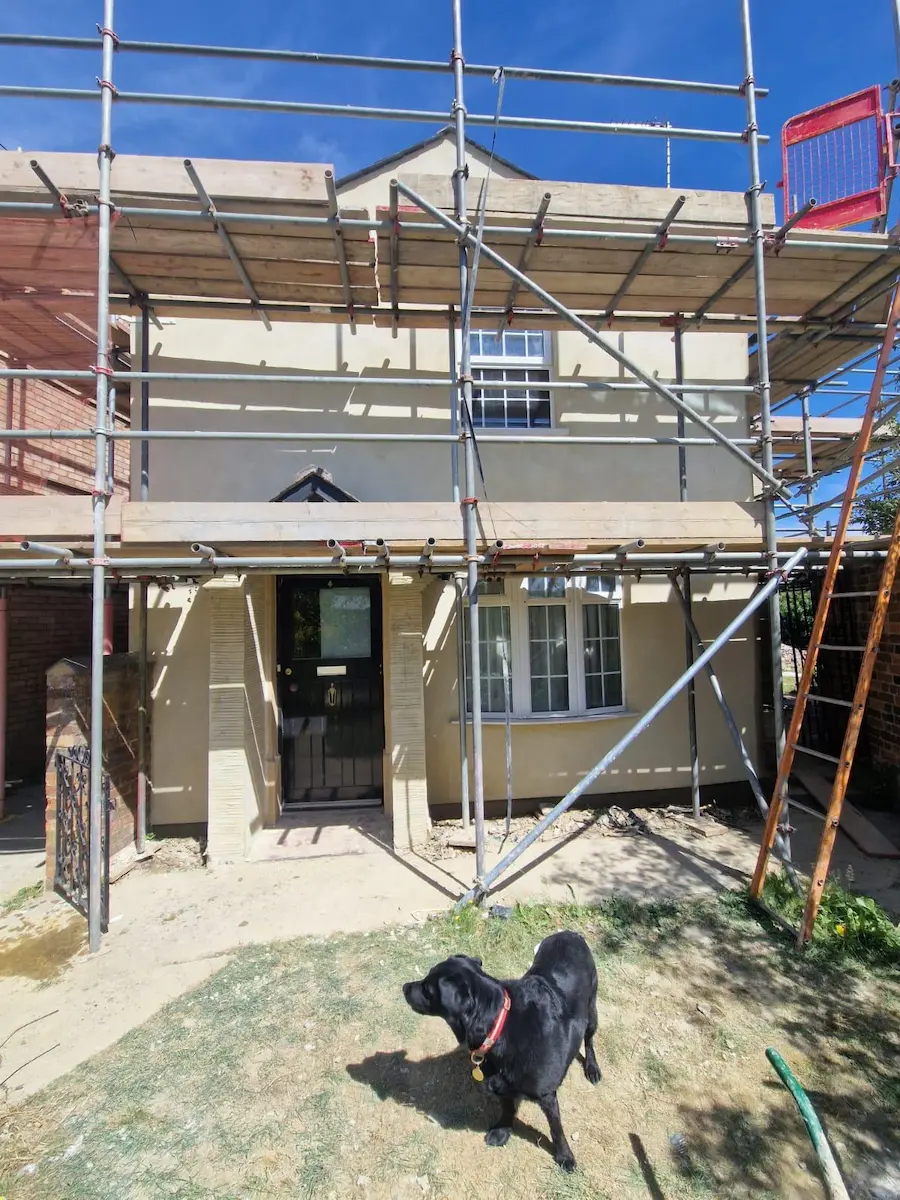
Can You Get a Mortgage on a Rundown House?
Yes, potentially.
Some specialist building societies consider properties that mainstream mortgage lenders may decline.
Depending on the lender and the proposed renovation, this can include:
Houses without a functioning kitchen
Properties without a working bathroom
Derelict or currently uninhabitable houses
Properties requiring structural repairs
Houses needing a replacement roof
Properties requiring complete rewiring or replumbing
Homes needing extensive refurbishment
Properties advertised as suitable for cash buyers
The availability of a mortgage will depend on the property's condition, your deposit, income, credit history and the proposed renovation works.
For investment properties, the lender will also consider the intended use of the property and the proposed way of repaying or refinancing the borrowing.
Renovating a Home or an Investment Property?
The right finance arrangement can depend on whether you're buying somewhere to live or renovating a property as an investment.
Renovating a home to live in
If you're buying a property to make your main home, a specialist residential renovation mortgage may be an option even when substantial work is needed. The lender will assess your finances, the property's condition and your proposed renovation.
Some products allow renovation funds to be released in stages. You may still need money available to start or continue work before additional funds are released.
Renovating an investment property
If you're purchasing to refurbish and then let, refinance or sell, you may need a different type of property finance. Depending on the project, possibilities may include refurbishment bridging or other specialist investment finance.
Investors should consider the intended end use of the property, the renovation budget, the timeframe and how the finance will be repaid. A residential renovation mortgage intended for an owner-occupier should not be assumed suitable for an investment purchase.
Which Type of Renovation Finance Might Be Suitable?
A rundown property's condition does not, by itself, tell you which borrowing route is most suitable. Your plans for the property and the lender's criteria matter too.
Specialist residential renovation mortgages
Certain specialist lenders may consider properties that need substantial renovation, including some that would not meet a mainstream lender's normal requirements. Initial borrowing, any staged funds and the renovation timetable depend on the product and assessment.
Refurbishment and bridging finance
Short-term finance may be considered where a property needs significant work before it can qualify for longer-term borrowing, or where an investor plans to refurbish and then sell or refinance. The cost, term and realistic repayment strategy need careful consideration.
You can read more about bridging loans and finance for uninhabitable properties.
Longer-term investment borrowing after renovation
Where a property is being refurbished to let, longer-term buy-to-let or other investment finance may be worth exploring once the property and borrower meet the relevant lender's requirements. Refinancing is not automatic and may involve fees and other costs.
Bright Money can help you explore which route may be appropriate for your circumstances.
How Does a Renovation Mortgage Work?
Specialist renovation mortgages can work differently from conventional residential mortgages.
1. Assess the property
The lender assesses the property in its existing condition, your financial circumstances and the proposed works.
2. Agree the renovation plans
You provide details of the intended improvements, estimated costs and expected value once completed.
3. Complete the purchase
An initial mortgage advance helps finance the property purchase, subject to the lender's criteria.
4. Fund the renovation
Some specialist mortgages allow additional funds to be released in stages as work progresses.
Depending on the product, payments may be released in advance or after work has been completed and the property revalued.
5. Complete your renovation
Once the property is finished, you may be able to switch to a conventional residential mortgage, subject to eligibility and any applicable charges.
Important: This is an illustrative residential renovation mortgage process. Investor refurbishment finance may follow a different funding and repayment structure.
How Much Deposit Do I Need?
Deposit requirements vary between lenders.
Some specialist renovation products advertise borrowing of up to 90% loan-to-value, while others have lower maximum limits.
You may also need additional funds to begin renovation works before further mortgage advances become available.
The amount you can borrow depends on your individual circumstances, the property and the proposed project.
The deposit is only one part of the budget. Consider the money needed for the purchase, the renovation itself and costs that arise before a later stage payment is available.
A product advertising a particular maximum loan-to-value is not a promise of borrowing at that level, and the same limits may not apply to investment finance.
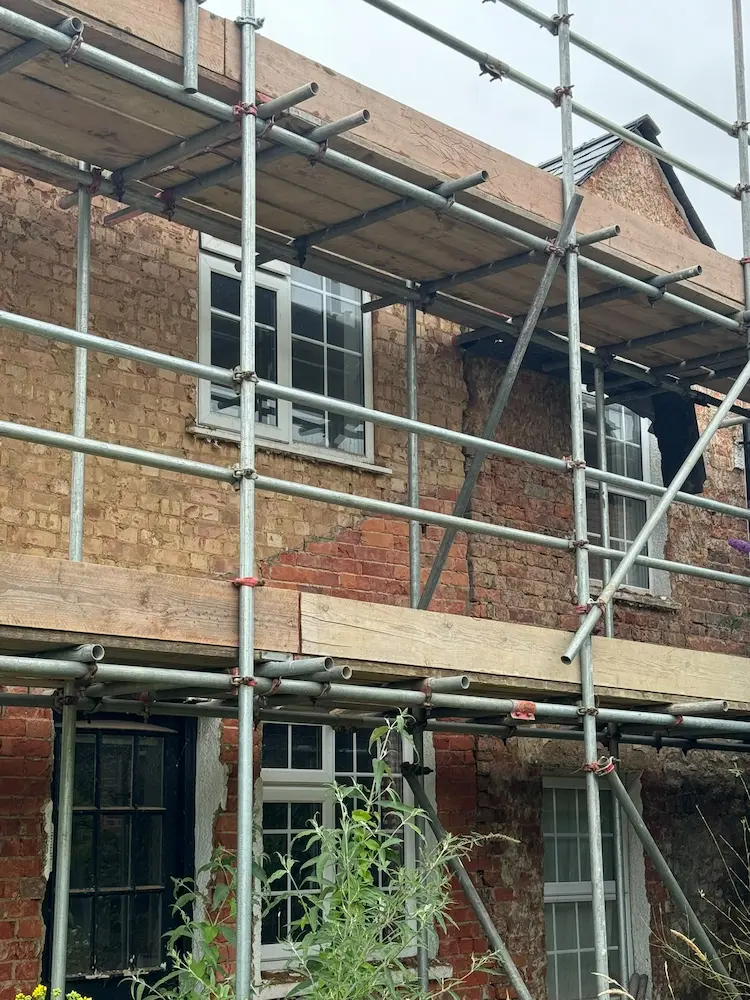
Can I Borrow Against the Value After Renovation?
Some specialist lenders take the anticipated completed value into consideration when assessing a renovation project.
For example, you might be purchasing a rundown property for £200,000 and planning to spend £75,000 renovating it, with an estimated completed value of £350,000.
A specialist lender may consider the overall project and the potential increase in value.
This example is hypothetical: it is not a property valuation, a mortgage quotation or a guarantee of profit or funding.
However, this doesn't mean you can automatically borrow against the full £350,000 valuation from the outset.
The initial mortgage advance, subsequent stage payments and total borrowing will depend on the lender's criteria and valuations.
Bright Money can help you understand the options.
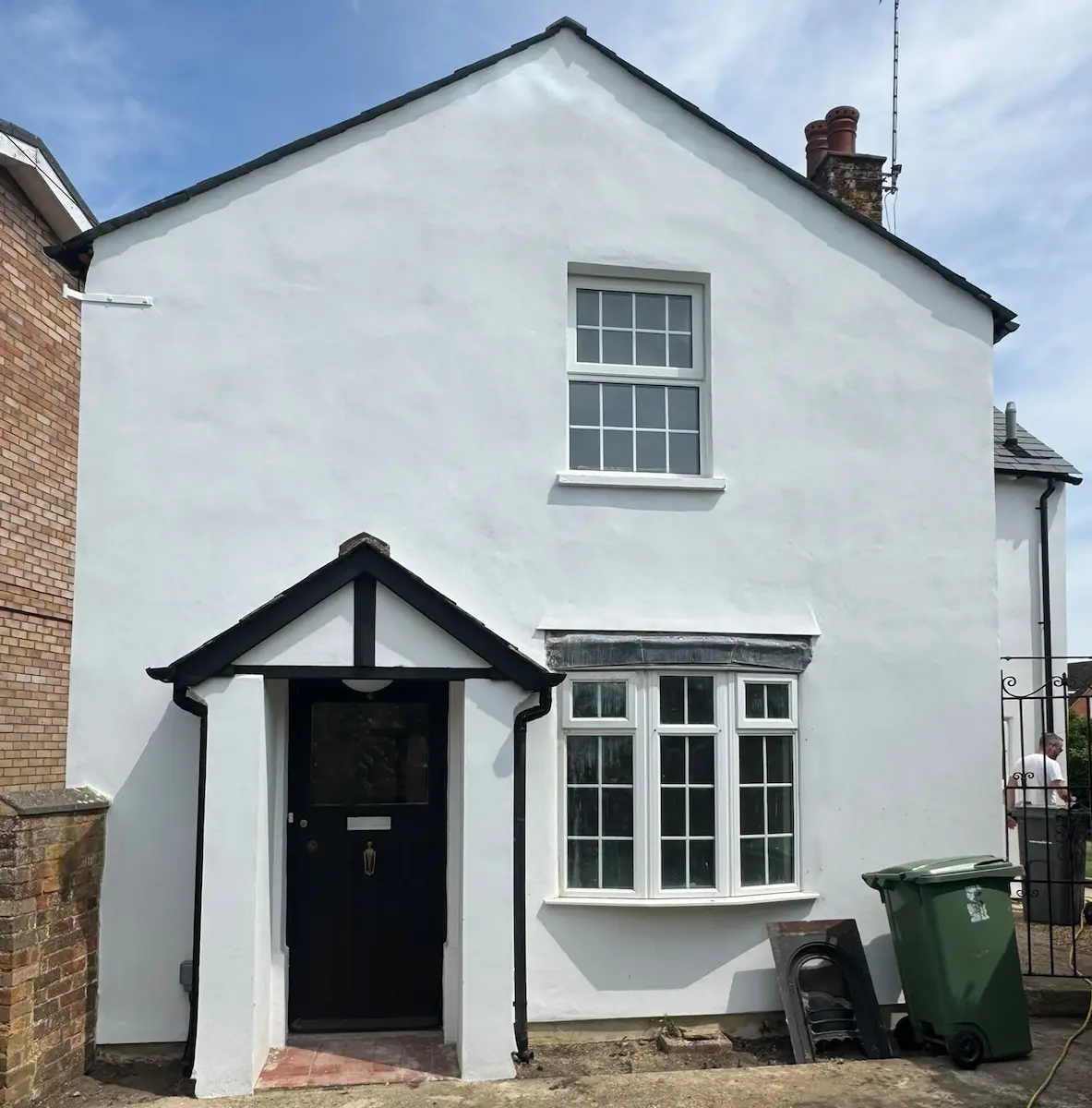
What If a High-Street Lender Has Already Declined the Property?
A rejection from a mainstream lender doesn't necessarily mean the property cannot be mortgaged.
Specialist lenders may assess properties differently, particularly where substantial renovation works are planned.
Bright Money can review your circumstances and explore potential alternatives.
The reasons for the previous decline, the scale of the work and whether you're planning to live in, let or sell the property will help inform the next steps.
Why Choose Bright Money?
Renovation mortgages can be more complicated than conventional residential mortgages.
Our mortgage advisers can help you:
Explore specialist renovation mortgage options.
Understand deposit and funding requirements.
Assess potential borrowing arrangements.
Understand how stage payments work.
Consider alternatives where mainstream lenders have declined.
Navigate the mortgage application process.
When you enquire, it helps to have an idea of the purchase price, property condition, planned works, estimated renovation budget, available deposit and what you intend to do with the property after renovation.
Found a property that needs renovating?
Find out what mortgage options may be available before committing to the purchase.
CHECK YOUR RENOVATION MORTGAGE OPTIONSFrequently Asked Questions
Can I Get a Mortgage on a House Without a Kitchen or Bathroom?
Potentially, yes.
Although many mainstream mortgage lenders require basic facilities to be present, certain specialist lenders may consider properties without a functioning kitchen or bathroom.
The proposed renovation and the property's overall condition will be important factors.
Can I Get a Mortgage on a Derelict House?
Some specialist lenders may consider derelict or uninhabitable residential properties.
They will typically need to assess the property's condition, proposed works, renovation budget and suitability as mortgage security.
Can First-Time Buyers Get Renovation Mortgages?
Some renovation mortgage products may be available to first-time buyers.
Eligibility will depend on the lender, your deposit, affordability and the scale of the proposed renovation.
Can Property Investors Get Finance to Renovate a House?
Potentially. The options may be different from those for someone renovating their main home. Depending on the project and intended outcome, specialist investment or short-term refurbishment finance may be relevant. Lenders will assess the borrower, security, works and repayment strategy.
How Are Renovation Funds Released?
Some specialist mortgages allow additional funds to be released in stages as work progresses.
Depending on the product, payments may be released in advance or after work has been completed and the property revalued. You may need sufficient money available to cover work before a later payment is released.
Can I Change to a Conventional Mortgage After Renovating?
Once the property is finished, you may be able to switch to a conventional residential mortgage, subject to eligibility and any applicable charges. Whether this is appropriate will depend on the property, your circumstances and the terms of any existing finance.
Check Your Renovation Mortgage Options
Tell us a little about the property and your plans. One of our mortgage advisers will review your enquiry.
Your home may be repossessed if you do not keep up repayments on your mortgage.
All mortgages are subject to lender criteria, affordability, valuation and approval. Fees and charges may apply.